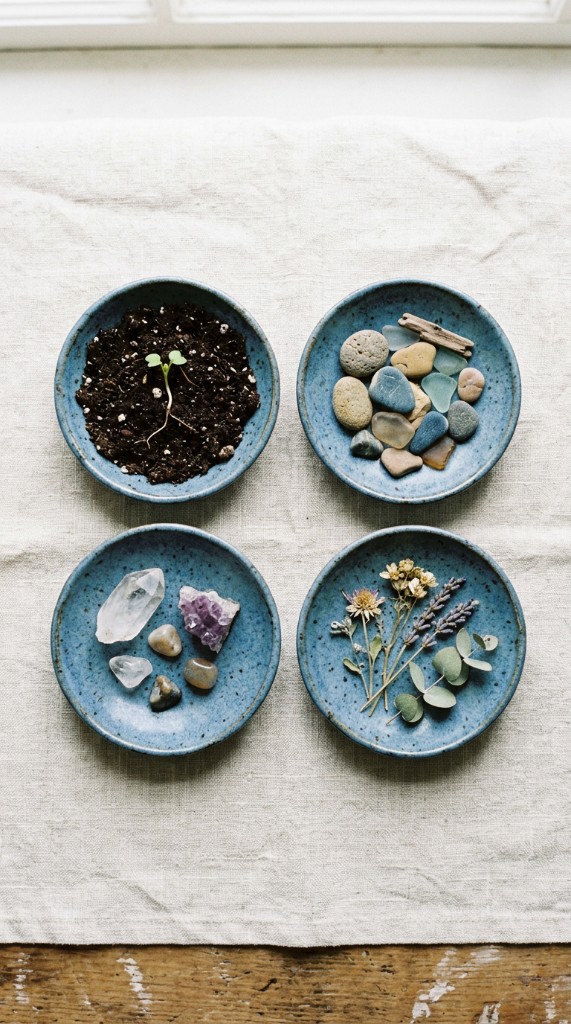
The 4 phases of your cycle and how each one feels
Most women know they have a period once a month. Fewer know that the period is just one part of a cycle that never actually stops — a continuous hormonal rhythm that shapes your energy, mood, focus, appetite, and emotional experience every single day of the month. Not just the days you're bleeding. Every day.
Your menstrual cycle has four distinct phases, each driven by a different hormonal environment, each producing a noticeably different lived experience. Understanding what those phases are — and what your body is actually doing during each one — is one of the most useful things you can learn about yourself.
Before we start: what drives the whole thing
Your cycle is orchestrated by four key hormones working in a relay: FSH (follicle-stimulating hormone), estrogen, LH (luteinizing hormone), and progesterone. They rise and fall in a precise sequence, each triggering the next phase.1 The average cycle lasts 28 days, though anything between 21 and 35 days is considered normal — and the length that varies most from person to person is almost always the first half, not the second.2
Here's how each phase feels — and why.
What's happening
Estrogen and progesterone have both dropped to their lowest point. This drop signals the uterus to shed its lining — this is your period. The body releases prostaglandins to trigger contractions that help expel the lining, which is the source of cramping. FSH begins to rise quietly in the background, preparing for the next cycle.3
How it tends to feel
Physically, this is often the most demanding phase — cramping, fatigue, bloating, and lower back pain are all common in the first few days. But for many women, there's also a paradoxical mental clarity that arrives once bleeding begins. The hormonal tension of the luteal phase lifts, and despite the discomfort, the mind often feels less foggy and more settled than it did the week before.
Common experiences
What's happening
The follicular phase overlaps with menstruation and continues beyond it. FSH stimulates the ovaries to develop follicles — small fluid-filled sacs each containing an egg. As follicles grow, they produce estrogen, which rises steadily through this phase. Only one follicle will become dominant and go on to release an egg.4 Estrogen also rebuilds the uterine lining, preparing it for a potential pregnancy.
How it tends to feel
As estrogen climbs, most women notice a genuine lift in energy, mood, and motivation. This is often described as the "good week" — social confidence returns, creative thinking feels sharper, and the world generally feels more manageable. Exercise feels easier. Sleep is better. The rising estrogen is boosting serotonin and dopamine simultaneously, which explains why so many women feel most like themselves during this phase.5
Common experiences
What's happening
Estrogen peaks just before ovulation, triggering a sharp surge in LH — luteinizing hormone. This LH surge signals the dominant follicle to release its egg into the fallopian tube, where it can be fertilized for approximately 12 to 24 hours.1 Estrogen reaches its highest point of the entire cycle during this window, and testosterone also rises briefly, adding to the sense of vitality and drive.
How it tends to feel
Ovulation is often when women feel their most energized, confident, and outwardly engaged. Communication feels easier, physical strength tends to peak, and many women notice heightened senses and a stronger sense of presence. Some experience mild ovulation pain — a brief twinge on one side of the lower abdomen — as the egg is released. This is called mittelschmerz, and it's completely normal.6
Common experiences
What's happening
After ovulation, the empty follicle transforms into the corpus luteum — a temporary structure that produces progesterone. Progesterone rises to prepare the uterine lining for implantation of a fertilized egg. If pregnancy doesn't occur, the corpus luteum breaks down after 10–14 days, progesterone and estrogen fall sharply, and menstruation begins.1 The luteal phase is the most consistent in length — almost always 12 to 14 days regardless of overall cycle length.2
How it tends to feel
The early luteal phase is often still relatively comfortable — progesterone's calming effect can make the first week feel grounded and settled. But as the phase progresses and both hormones begin to fall, most women notice a shift: energy drops, emotional sensitivity rises, sleep quality declines, and the body begins to feel heavier. Cravings intensify, focus becomes harder, and the emotional resilience of the follicular phase feels like it belongs to a different person. This is the biology of PMS — not a mood disorder, but a measurable hormonal withdrawal.7
Common experiences
How hormones move across the whole cycle
| Hormone | Menstruation | Follicular | Ovulation | Luteal |
|---|---|---|---|---|
| Estrogen | Low | Rising | Peaks | Drops |
| Progesterone | Low | Low | Low | Rises then drops |
| FSH | Rising | High | Drops | Low |
| LH | Low | Low | Surges | Low |
Why this matters beyond biology
Knowing the four phases isn't just academically interesting — it's practically useful. When you understand that your energy, mood, focus, and emotional resilience are not random but follow a predictable hormonal pattern, a few things change.
You stop blaming yourself for the hard weeks. You start recognizing the good weeks for what they are — a hormonal peak, not your permanent baseline. You begin to plan differently: leaning into high-energy phases for demanding work or social commitments, and protecting the luteal phase with rest and lighter expectations.
And crucially — when you track your cycle day by day, the phases stop being abstract concepts and become something you can actually see and feel in your own data. Your version of each phase, your personal pattern, your specific rhythm. That self-knowledge is something no chart can fully hand you — it comes from paying attention to your own body over time.
You know the four phases. Now see which one you're in today — with Feelings' expressive mood avatars showing you exactly how your phase tends to feel. Log your mood and watch the science come to life in your own data.


References
- Reed, B.G. & Carr, B.R. (2018). The normal menstrual cycle and the control of ovulation. Endotext, NCBI Bookshelf. NCBI
- Bull, J.R., et al. (2019). Extensive monitoring of the natural menstrual cycle using estradiol, LH and progesterone. PMC. PMC
- Raleigh OB-GYN. (2025). Understanding the menstrual cycle: a breakdown of its four phases. Raleigh OB-GYN
- StatPearls — NCBI. (2022). Proliferative and follicular phases of the menstrual cycle. NCBI Bookshelf
- Barth, C., Villringer, A., & Sacher, J. (2015). Sex hormones affect neurotransmitters and shape the adult female brain. Frontiers in Neuroscience. PubMed
- Healthline. (2023). Stages of the menstrual cycle. Healthline
- NIH — StatPearls. (2023). Premenstrual syndrome. NCBI Bookshelf